What Does BM Mean in Gaming? (Explained With Examples)
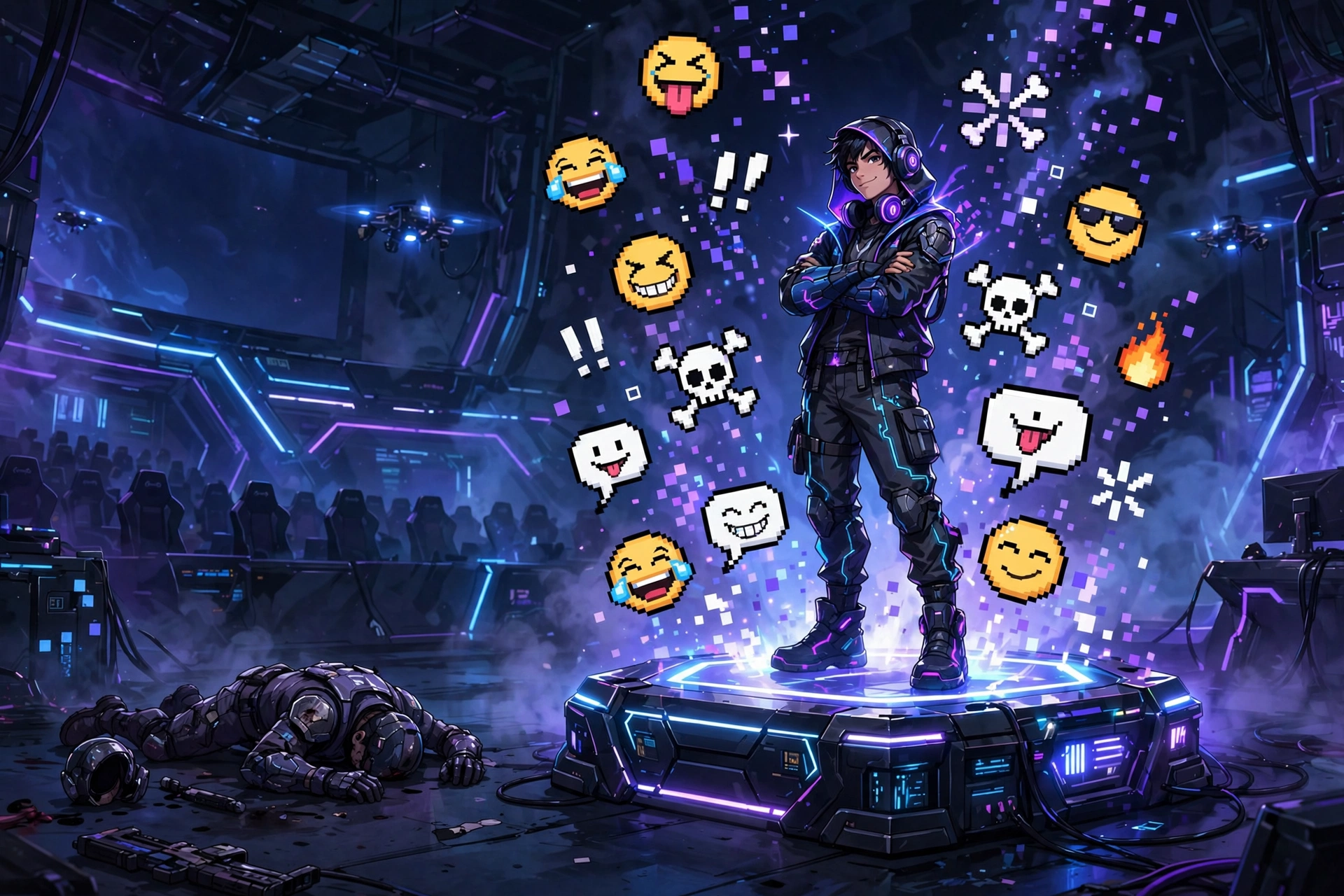
BM in gaming stands for “bad manners” — any unsportsmanlike behavior meant to taunt, disrespect, or provoke another player. Dancing on an opponent’s corpse, spamming “ez” in all-chat, teabagging, or deliberately dragging out a won game — all of it is BM. In this guide, we explain what BM means, show the most common examples, explain how to tell harmless banter from real toxicity, and cover when it becomes reportable behavior.
Key Takeaways
- BM = “bad manners” — unsportsmanlike conduct in online games: teabagging, emote spam, “ez” in all-chat, delaying a won game, shooting an opponent’s body.
- The term likely originated in the StarCraft community before spreading to every competitive title.
- Banter is mutual and playful; BM is one-sided and meant to provoke. The difference is how it lands, not how the player intends it.
- Light BM is annoying but common; persistent taunting, chat abuse, and griefing can get you reported and banned.
What Does BM Mean in Gaming?
BM is short for “bad manners” (sometimes written as “bad-mannered”). It describes any disrespectful or unsportsmanlike behavior in a multiplayer game — actions that break the unwritten code of sportsmanship rather than the game’s actual rules. BMing a player means rubbing your success in their face or going out of your way to annoy them instead of just playing the game.
The term most likely comes from the StarCraft community, where it described players who insulted opponents in the post-game chat. Like many StarCraft-era terms, it spread to League of Legends, Overwatch, Counter-Strike, Call of Duty, Fortnite, Valorant, and every competitive game with a chat box or an emote wheel.
An important detail: BM is not cheating. Cheaters break the game’s rules to gain an unfair advantage — aimbots, wallhacks, exploits. BM players play within the rules but use that freedom to be disrespectful. That is why BM sits in a grey area: it ruins the match experience without technically breaking the game.
Common Examples of BM Behavior
BM takes different forms in different genres, but it always has the same goal: getting under the other player’s skin.
1. Teabagging. Repeatedly crouching up and down over a defeated opponent’s body. It originated in early Halo multiplayer and is still the most recognizable BM gesture in shooters.
2. Emote or spray spam. Using a character’s taunt emote, dance, or voice line on a fallen enemy — or spamming it in chat after every kill. Overwatch, with its large emote collection, is a classic example.
3. All-chat trash talk. Typing “ez”, spamming “?” after an opponent misses an easy shot, or insulting the enemy team in the public chat. It is BM at its most basic: words designed to sting.
4. Shooting the body. Unloading a few extra rounds into a corpse in shooters like Counter-Strike or Valorant — a symbolic “stay down” message after the round is already over.
5. Delaying a won game. Refusing to finish a match you have clearly won, just to frustrate the losing side — dancing at the enemy fountain instead of taking the Nexus, or slow-playing lethal damage in a card game.
6. Sabotaging your own team. When aimed at teammates — refusing to surrender a lost match, sitting AFK in spawn, or throwing rounds on purpose — it crosses from BM into griefing, which most games treat as a bannable offense.
BM vs Banter: Where Is the Line?
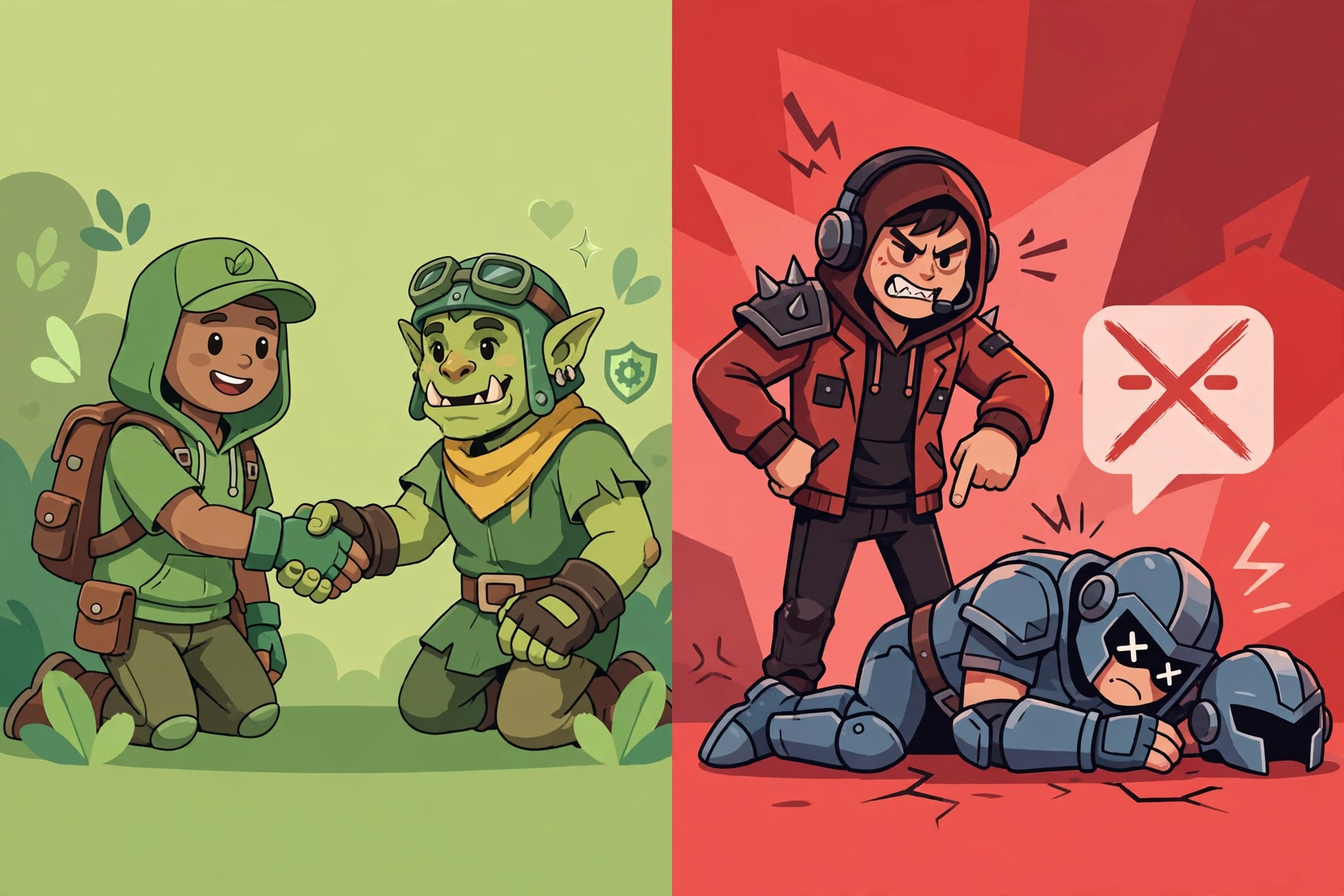
This is the question the community argues about the most. One player’s playful banter is another player’s BM, so where is the actual line? The answer comes down to three things: consent, target, and persistence.
Banter is mutual. It happens between friends or players who are both enjoying the back-and-forth — a friendly “nice try” in chat, a GG with a joke, a little taunting after a close 1v1. Both sides are laughing, and either side can stop it.
BM is one-sided. The target is not laughing. The classic example is a stranger in a ranked match spamming emotes after every kill — that player is not inviting you into a joke, they are trying to tilt you. Context matters too: teabagging your friend in a private lobby is banter; teabagging a stranger in ranked is BM. Same action, completely different meaning.
The practical test is simple: BM is defined by how it lands, not by how the player intends it. If the person on the receiving end reads it as disrespect, it is BM — regardless of what the other player claims they meant. And the effect is real: tilted players make worse decisions, communicate less, and enjoy the game less, which is exactly why BM works as an (ugly) competitive weapon.
When BM Crosses the Line Into Reportable Behavior
Not all BM is equal. A single “ez” after a match is annoying but harmless, and no game is going to ban you for it. The line into reportable behavior is crossed when BM becomes targeted, persistent, or abusive:
- Chat abuse. Slurs, threats, sexual harassment, or sustained insult campaigns in text or voice chat. Every major game (Riot, Blizzard, Valve, Activision) treats this as a clear bannable offense — this is no longer BM, it is harassment.
- Griefing. Intentionally throwing a match, feeding the enemy team, or sitting AFK to force your teammates to lose. Throwing is listed as toxic behavior in most games’ reporting systems.
- Repeat targeting. Following one player across matches to taunt them, or singling out a teammate for the entire game, crosses from “being rude” into targeted harassment.
- Using BM to mask real-world hate. Disguising racist, sexist, or homophobic abuse as “just trash talk” does not make it acceptable — it is still hate speech, and reporting systems treat it that way.
FAQs About BM in Gaming
What does BM mean in gaming?
BM stands for “bad manners.” It is a catch-all term for unsportsmanlike behavior — teabagging, emote spam, all-chat trash talk, delaying a won game, or any action meant to disrespect or provoke another player.
Is teabagging considered BM?
Yes. Repeatedly crouching over a defeated opponent’s body is one of the most classic and widely recognized examples of BM in shooters. It is meant to humiliate, not to celebrate.
Can you get banned for BM?
Light BM — a taunt, an “ez,” an emote — will not get you banned on its own. But BM that crosses into chat abuse, harassment, griefing, or intentional throwing is reportable, and most major games suspend or ban accounts with repeated confirmed reports.
Is saying “ez” after a match BM?
Most players consider it mild BM, yes. It is rarely punished, but it has a universally understood meaning: dismissing the opponent’s effort. Saying “FF” spam is its own category of BM — read our guide to what FF means to understand why.
Final Takeaway
BM means bad manners — the taunts, emotes, and trash talk that turn a competitive match into an exercise in frustration. A little banter between players who are both enjoying it is part of gaming’s social fabric; but the moment it becomes one-sided and persistent, it stops being banter and becomes BM. The fix is simple: play well, keep the chat clean, and type “GG” when the match ends. If you want to keep your gaming vocabulary sharp, check out our guides on what AFK means and what FF means in gaming.